Protecting Your Mental Health as a Library Worker in Difficult Times

Living through our current political dumpster fire kinda feels like deja vu—remember those early COVID days when we couldn't stop refreshing the news? Yeah, that feeling of constant dread and uncertainty.
In 2020, I went full news junkie. New York Times subscription? Check. Washington Post? Check, check. I had curated Twitter lists that would make any reference librarian proud—trusted health officials, news outlets from across the state. I was basically cosplaying as a one-person newsroom.
Six years later, I recognize it for the addiction it was.
And guess what? Over the past year, I've been sliding right back into those same patterns. The players have changed—podcasts, Substack newsletters, and YouTube channels have replaced Twitter and the Post—but the obsessive checking? Still there. It's like I switched from doom-scrolling to doom-listening.
Here's my completely irrational thought process: if I just consume enough news, somehow I'll be able to protect myself, my family, and my community from whatever fresh hell is coming next.
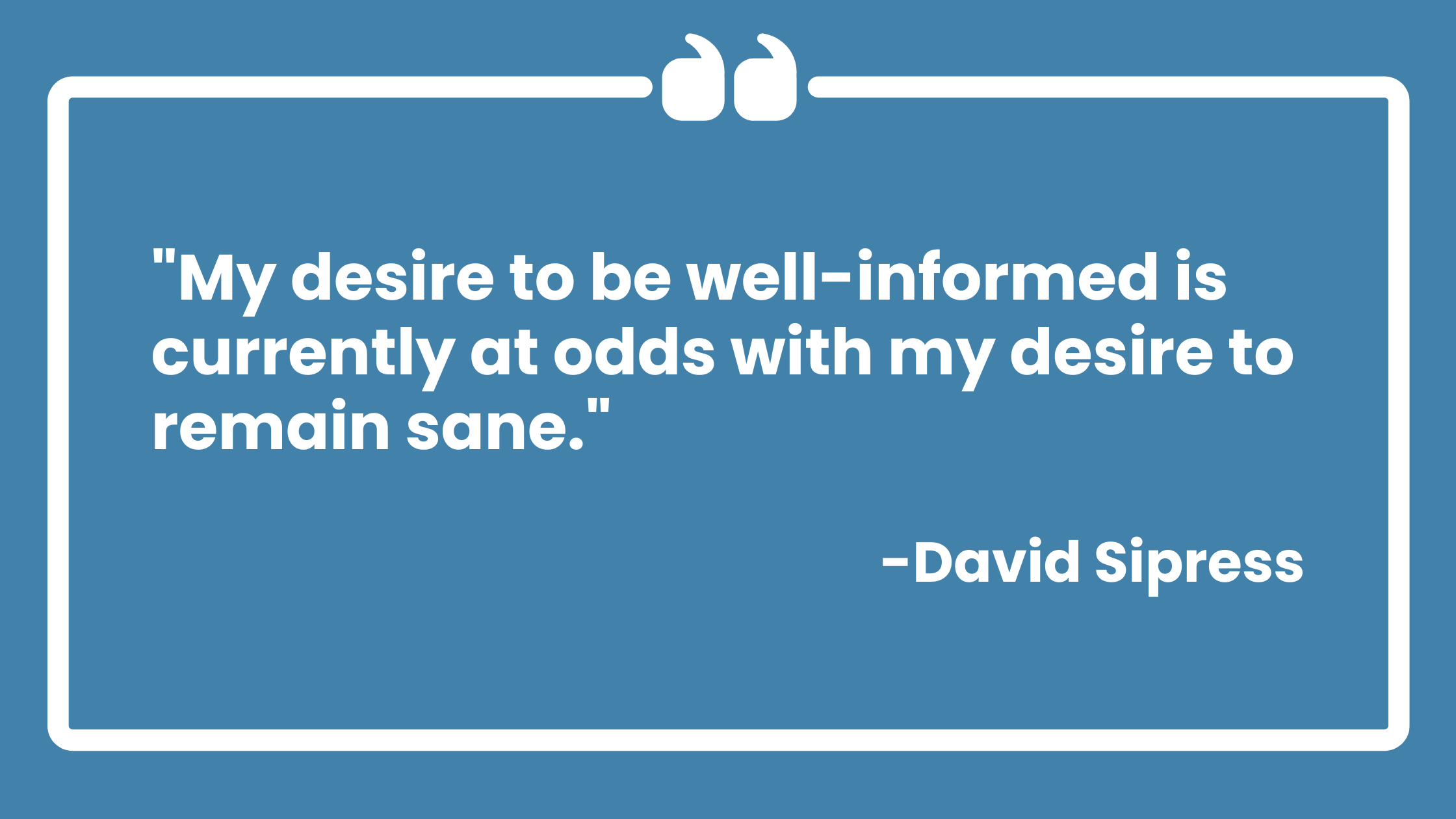
As librarians, we're especially susceptible to this. We're professionally trained to believe that information = power. Facts and data are our love language! So even though I logically know that reading seventeen think pieces won't actually stop harmful, inhumane policy, my brain keeps insisting that staying informed equals doing something productive.
Spoiler alert: it doesn't. It just exhausts us.
And here's what makes this even harder: as a Mexican-American woman in this profession, I recognize that we're not just processing general anxiety about the state of the world. We're feeling the effects of executive orders that directly threaten women, BIPOC communities, and LGBTQ+ folks. We're navigating microaggressions on top of book bans. We're holding space for patrons facing violence and injustice while managing our own stress about what's coming next.
So when I share strategies that are helping me, I'm speaking from that specific experience. Your challenges probably look different, but the exhaustion? The overwhelm? The feeling like you're supposed to keep working, parenting, and adulting while barely holding yourself together? That's universal.
The good news? There are ways to break the cycle. Below are some strategies I'm actively trying to implement (keyword: trying). No grand gestures, just simple habits to protect your mental health so you actually have the energy to show up for the fights that matter.
Create Boundaries Around News and Activism
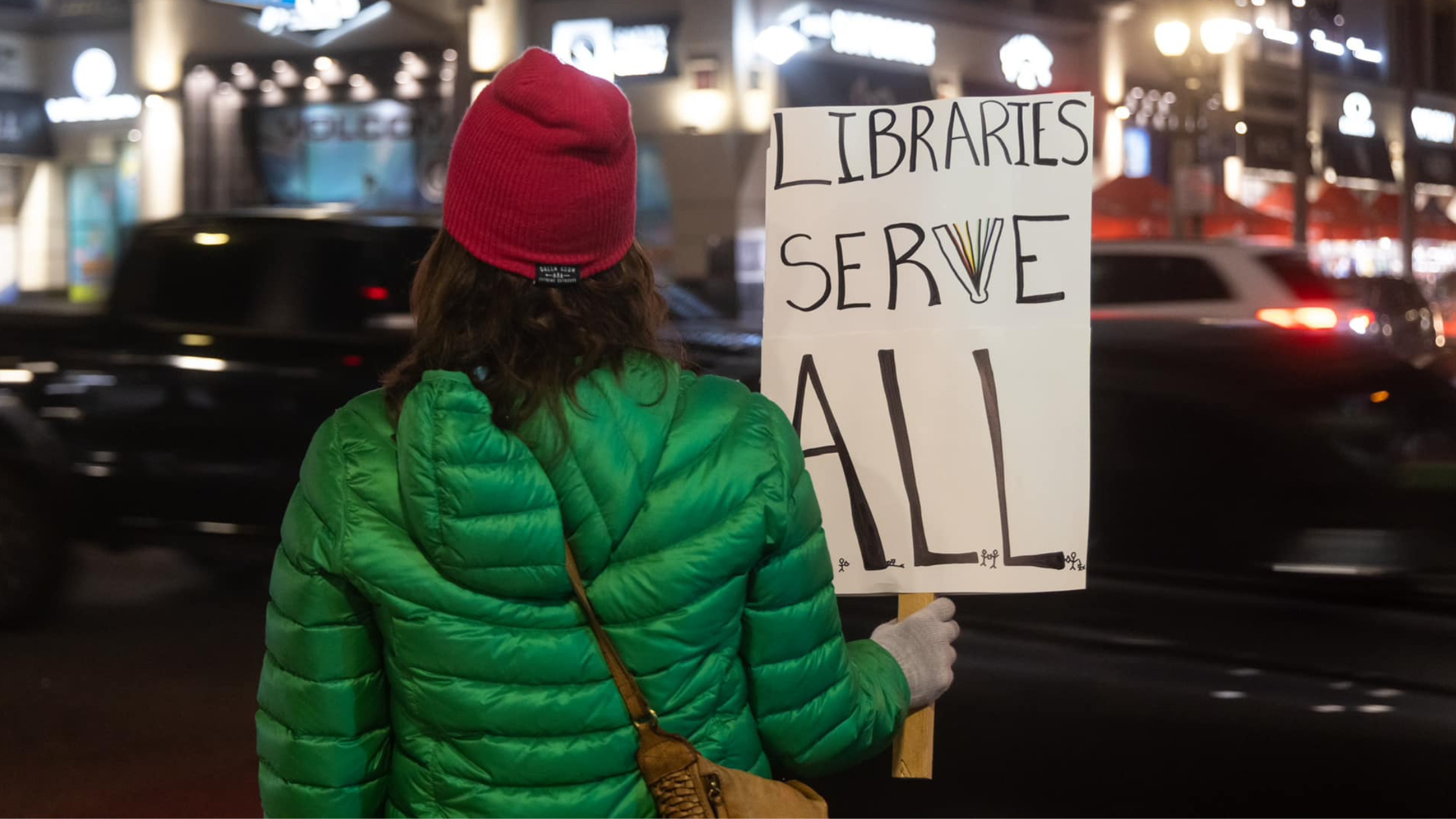
Photograph by Devin Roberts
Here's the thing about being a librarian right now: our jobs already require us to stay informed about censorship attempts, policy changes, and community concerns. Add in the 24/7 news cycle documenting every demoralizing headline, and boom—it feels like we're spending every waking moment in a constant state of anxiety.
Staying informed matters. Obviously. But I've realized that my constant news consumption isn't making me more effective—it's just turning me into an anxious mess who checks her phone at 11 p.m. for the latest crisis. My nervous system is basically running a marathon while I'm attempting to power down for the night.
So here's what I'm working on: I check the news and scan social media for 15 minutes in the morning with my coffee, 15 minutes during lunch, and 15 minutes in the early evening. (Do I always succeed? Ha! But I'm trying.)
I limit political podcast listening to when I'm running errands or tidying up around the house. I now realize that rage cleaning does help me move through my stress cycle more effectively. (More on that in a minute.)
When I need a break from the weight of current events, I give myself full permission to watch cheesy romcoms and videos of dogs living their best lives. I turn to fiction audiobooks (Sangu Mandanna or Naomi Novik, anyone?) and my favorite resistance songs. Balancing heavy content with things that restore you isn't escapism—it's survival.
I'm also getting intentional about how many hours I dedicate to activism beyond my regular work—and what exactly I'm doing with that time.
I write and call my lawmakers regularly. I check in with my beloveds to see how they're holding up. My son and I make meal kits for the food pantry in our church parking lot. I volunteer with local organizations doing direct service work.
Here's the key: I put reminders on my calendar and track these commitments in my task manager. Not because I'm Type A (though I am), but because activism is like air—it will expand to fill every available space if you let it. Without clear boundaries, my advocacy work would bleed into every evening, every weekend, every moment that should be reserved for the people I love.
So I've gotten strategic. I may not attend every protest, but I honk like hell when I see them at busy intersections. I may not respond to every call to action, but I show up consistently for the few things I've committed to. That's what sustainability looks like, for me.
Treat Basic Needs as Non-Negotiable

Okay, this is going to sound SUPER simple, but hear me out: We need to drink water, eat nourishing food, sleep enough, and move our bodies. Revolutionary, right?
Yet these are literally the first things that disappear when I'm running on adrenaline and caffeine, trying to serve my community while processing my own fear about the state of democracy.
So I'm treating my fundamental needs as non-negotiables rather than nice-to-haves. Which honestly feels a little radical when the world expects us all to run on fumes and vibes.
I keep a water bottle with me at all times. I plan meals a week out so I'm not living off Red Vines licorice and ranch cashews from Trader Joe's. And I'm trying—trying—to set a consistent bedtime and protect it like I'd protect a meeting with a coaching client.
When anxiety is high, I find a 20-minute walking video or yoga session helps, especially when weather or time constraints prevent me from getting outside. Physical movement releases the stress hormones that build up from ongoing crisis exposure. Sometimes I just put on a song I love and dance in my office for five minutes. Does it solve the systemic problems our nation is facing? No. Does it make me feel slightly more human? Yes.
I'm also better at noticing my personal burnout warning signs—cynicism, insomnia, the feeling that nothing I do matters. I'm treating these as important data rather than personal failure. When I sense them, I give myself permission to scale back immediately instead of white-knuckling it until I break.
Sometimes the most radical thing we can do is rest so we can continue showing up next week, next month, and next season.
Focus on Small, Consistent Actions
I’m coming to accept a hard truth: I don't need to respond to every challenge, attend every meeting, or fight every battle to make a difference. In fact, trying to do that is a great way to accomplish nothing while feeling terrible about myself.
Instead, I now write down in my planner what I'm contributing regularly, and I look at it when the guilt creeps in about not doing more.
I'm learning to trust in the movement that is building across our country. My steady commitment—even when it feels small—is part of something larger. Our movement gains momentum with every act of care and kindness.
I'm also working on diversifying my sources of meaning and joy beyond library work. I'm making things just for myself (more on my misadventures into crochet in a future post). I'm reconnecting with people I haven't talked to in a hot minute. I'm tending plants that have absolutely nothing to do with intellectual freedom or library policies.
These aren't distractions from my important work—they're what create the psychological reserves I need when the world is too damn much.
You're Allowed to Rest
Look, these strategies aren't complicated: set boundaries around news consumption and activism, prioritize basic needs and rest, and focus on consistent actions I can actually sustain. Simple doesn't mean easy, but it does mean doable.
So here's what I'm asking you to do: Pick one strategy from this post and implement it today. Maybe it's setting a phone alarm to stop checking the news at 9 p.m. Maybe it's taking that 10-minute walk at lunch. Maybe it's writing down the consistent actions you're already taking so you can see your impact clearly.
You don't have to fix everything. You don't have to show up perfectly. You just need to show up—and that's only possible if you're taking care of yourself.
And if you're a library worker from a marginalized community—I see you. Some days, just showing up and doing this work IS the resistance. Your survival isn't selfish. It's necessary.
Remember, you’re already making a difference simply by being someone who believes in access, equity, and intellectual freedom. Everything else you do builds from that foundation.